Georgia State University Library See also recent in ScholarWorks
University Library

Recent Atlanta Research from GSU in ScholarWorks

More in ScholarWorks

digATLThe Digital Atlanta Portal

Projects, collections, and data about the metro area produced by Georgia State University faculty, staff, and students working with and within their communities. More ...

Format: Omeka Exhibit

The Phoenix Project: Resurrecting the MARTA Archaeological Collection and Atlanta’s Past

During the 1970s, Georgia State University archaeologists conducted systematic excavations associated with the construction of the Metro Atlanta Rapid Transit Authority (MARTA) rail lines. This...
Read More
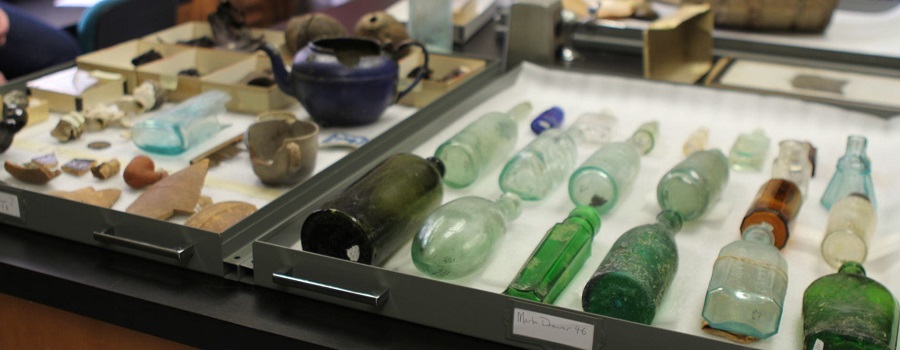
During the 1970s, Georgia State University archaeologists conducted systematic excavations associated with the construction of the Metro Atlanta Rapid Transit Authority (MARTA) rail lines. This project recovered the material remains of Atlanta’s past, and these materials represent the single most comprehensive archaeological collection of Atlanta’s history. In addition, the excavations themselves are among the pioneering projects of urban archaeology in the then nascent field of CRM (Cultural Resource Management). Thus, just the excavation archive, which is part of the collection, is invaluable for the history of archaeology in the US, especially the burgeoning new field of urban archaeology. The entire collection (440 medium-sized “banker” boxes housing over 100,000 artifacts and all the accompanying documentation and excavation archive) has recently been returned to GSU. Showcasing significant “moments” in the life of the city, including several Civil War sites associated with the Battle of Atlanta, the majority of the collection corresponds to the late 19th and early 20th century, the time of Atlanta’s rebirth as a major metropolitan area, the collection opens immense opportunities for faculty and student research and public education and outreach. Furthermore, it will facilitate interdisciplinary collaborations within GSU, as well as with other universities in the Atlanta-area for the curation, conservation, study, and exhibition of the artifacts and archive.

Creator
Jeffrey Glover, Ph.D., GSU Department of Anthropology, and archaeology students
Category
Arts & Culture

Krog Codex: Archive of Krog Street Tunnel

A Community Interactive Digital Archive. Krog Street Tunnel is one of Atlanta’s premier destinations for street art, political communication, and a community bulletin board. Since...
Read More
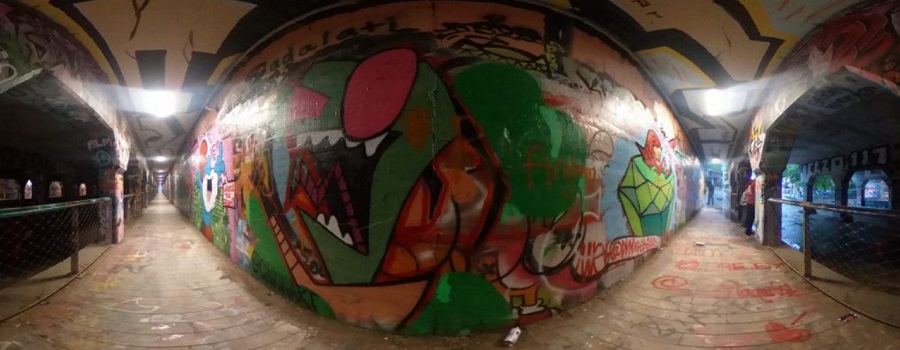
A Community Interactive Digital Archive. Krog Street Tunnel is one of Atlanta’s premier destinations for street art, political communication, and a community bulletin board. Since the late 1960s, artists have added and subtracted new paintings, messages, and designs to its walls, effectively creating a rapidly changing archive of local cultural concerns. The tunnel and the walls connected to it on DeKalb Avenue and Wylie Street comprise a single living dynamic work of art that is a cultural center of Cabbagetown. As such, to understand the cultural composition of the town, it is important to not only examine the art but also the creatives who give the tunnel life. Given the ephemeral nature of the tunnel art and its historical significance to the city, Georgia State University’s EPIC program, an academic research initiative dedicated to providing students with the opportunities to work on public-facing projects, has assembled a team of professors, graduate students, and undergraduates to document and catalog Krog Street tunnel’s art. In addition to regularly scanning and archiving the community’s tunnel art and murals, we also plan to conduct interviews with artists, patrons, and members of the community. This collection will become the basis of a frequently updated online publicly accessible 3d digital archive. Launched in 2022.

Creator
Georgia State University EPIC program students and faculty
Category
Arts & Culture

Kell Hall: Capturing the Legacy

Archived by the Wayback Machine. Originally built in 1925 as one of the first parking garages in the city, the Ivy Street Garage was renovated...
Read More

Archived by the Wayback Machine.

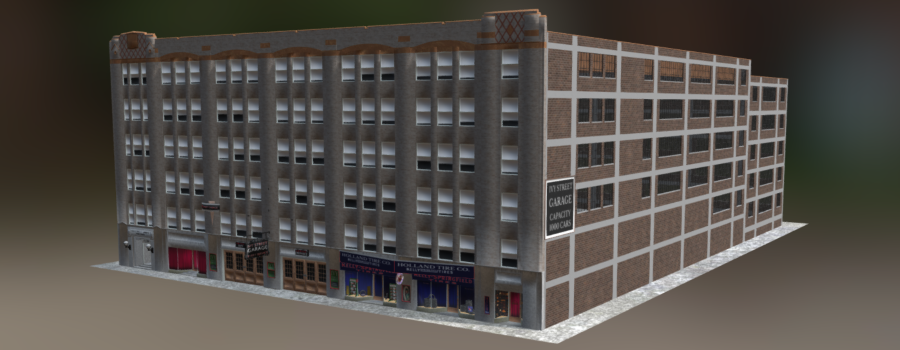
Originally built in 1925 as one of the first parking garages in the city, the Ivy Street Garage was renovated and opened to students in 1946. In 1964, it was renamed Kell Hall to honor Wayne S. Kell, the original director of the school. Kell Hall was demolished and replaced with a campus greenway in 2021. On this website, you can browse the collections of digital items gathered, read about Kell Hall’s history, take a virtual tour of the building and contribute your own stories to the project. 

Creator
Georgia State University Library and the Student Innovation Fellowship
Category
Arts & Culture