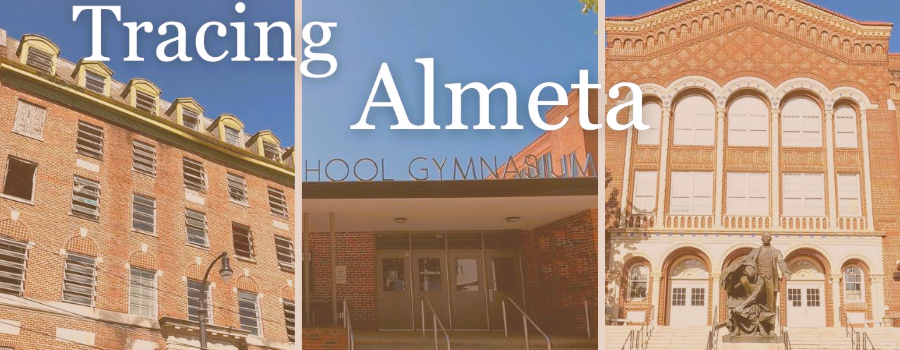
Mapping Atlanta’s Jim Crow Era Women’s Basketball Community. During the era of legalized segregation, Black Atlantans created their own economic, educational, and recreational institutions. In Black schools, community centers, and entertainment venues, Black women played basketball. Sarah Almeta Hill captained a title-winning basketball team while teaching full-time. Then, she became Atlanta’s most successful coach. She won titles, trophies, and temporary stardom. Reporters even described her as a tennis queen and basketball veteran. Despite the five consecutive city titles, two back-to-back state championships, and consistent press during her playing days, Hill barely shows up in an internet search. Neither do the women she competed with in Atlanta’s Jim Crow Era Black women’s basketball community. Those women played basketball and represented their schools, women’s clubs, and sometimes their employers. Sometimes they were models of respectability, sometimes they entertained, and sometimes they simply played because they were competitors. There are traces of their lives and careers made visible through digging through archival documents, yearbooks, and news reports. Most information is not easily accessible, but understanding their participation in basketball is an important part of sports history.
- Creator
-
Bria Felicien, GSU Master of Heritage Preservation student, Spring 2025
 Georgia State University Library